
RAF Hurricane pilot found after 86 years
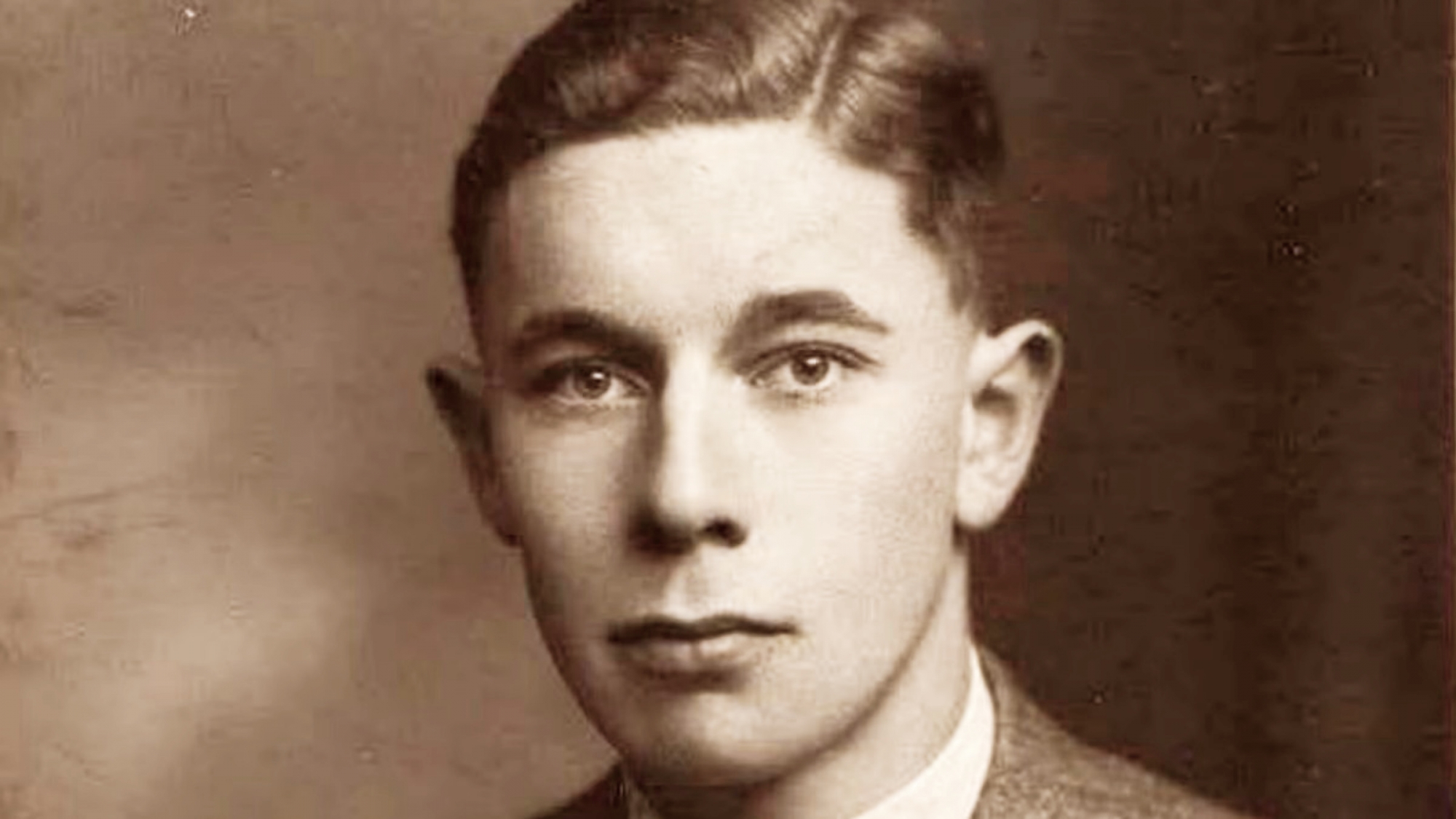
Header image: George Morley Fidler
For over eight decades RAF fighter pilot Squadron Leader George Morley Fidler has lain buried in the fields of France, strapped to his seat in the cockpit of his wrecked Hurricane, lost but not forgotten. He was shot down by a Luftwaffe Messerschmitt Bf 109 86 years ago this month, on 19th May 1940, during the Battle of France.
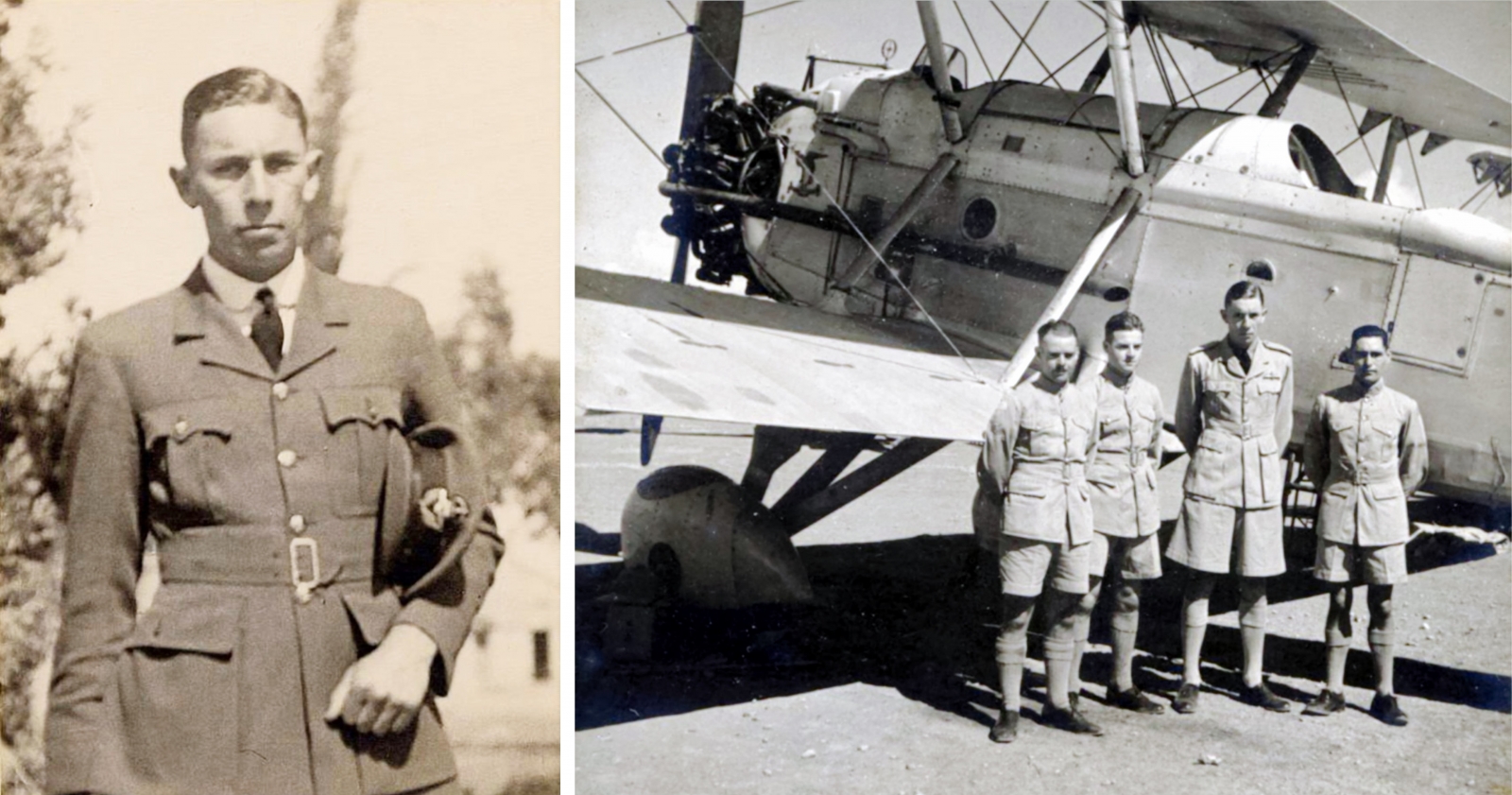
George Morley Fidler, known as Morley, came from Great Ayton, a village in North Yorkshire. He joined the RAF in 1934, aged 21, and trained as a pilot. He served overseas in Egypt, Cyprus and India, before returning to the UK in 1938. By February 1939 he had been assessed as an exceptional pilot and promoted to flight lieutenant. When war was declared he found himself in France as part of the Air
Component of the British Expeditionary Force (BEF), sent to assist in resisting the German threat. He was flying Tiger Moths well behind the front line, on administrative duties.
In February 1940 Fidler joined 607 (County of Durham) Auxiliary Air Force Squadron at Vitry-en-Artois, in the Pas-de-Calais area of France. The squadron was still flying Gloster Gladiator biplanes and had been in France since November 1939.
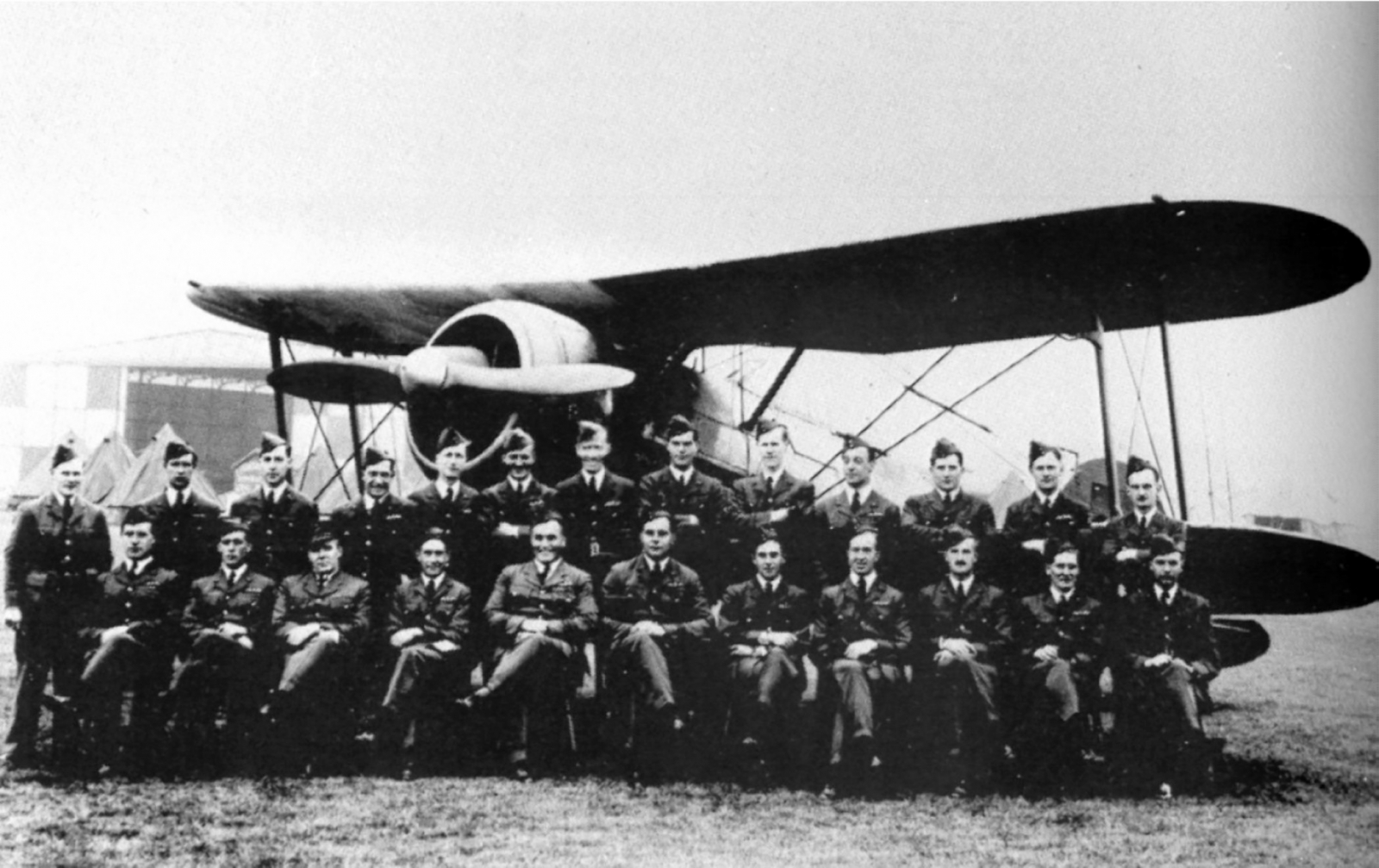
607 Squadron began to receive Hurricanes in March 1940 and was fully re-equipped just as the Germans began their offensive in the west in May 1940. The unit’s pilots, including Fidler, therefore had only limited experience on the Hurricane as the German blitzkrieg began on 10th May 1940. The 607 Squadron pilots suddenly found themselves in the middle of intense aerial combats, sometimes flying multiple sorties in one day. During their first day of action, the squadron claimed 18 enemy aircraft shot down for the loss of three Hurricanes, but this early success was not to last for long. The German advance was unstoppable; in the air the Luftwaffe soon gained the upper hand and the BEF, along with 607 Squadron, was soon in retreat.
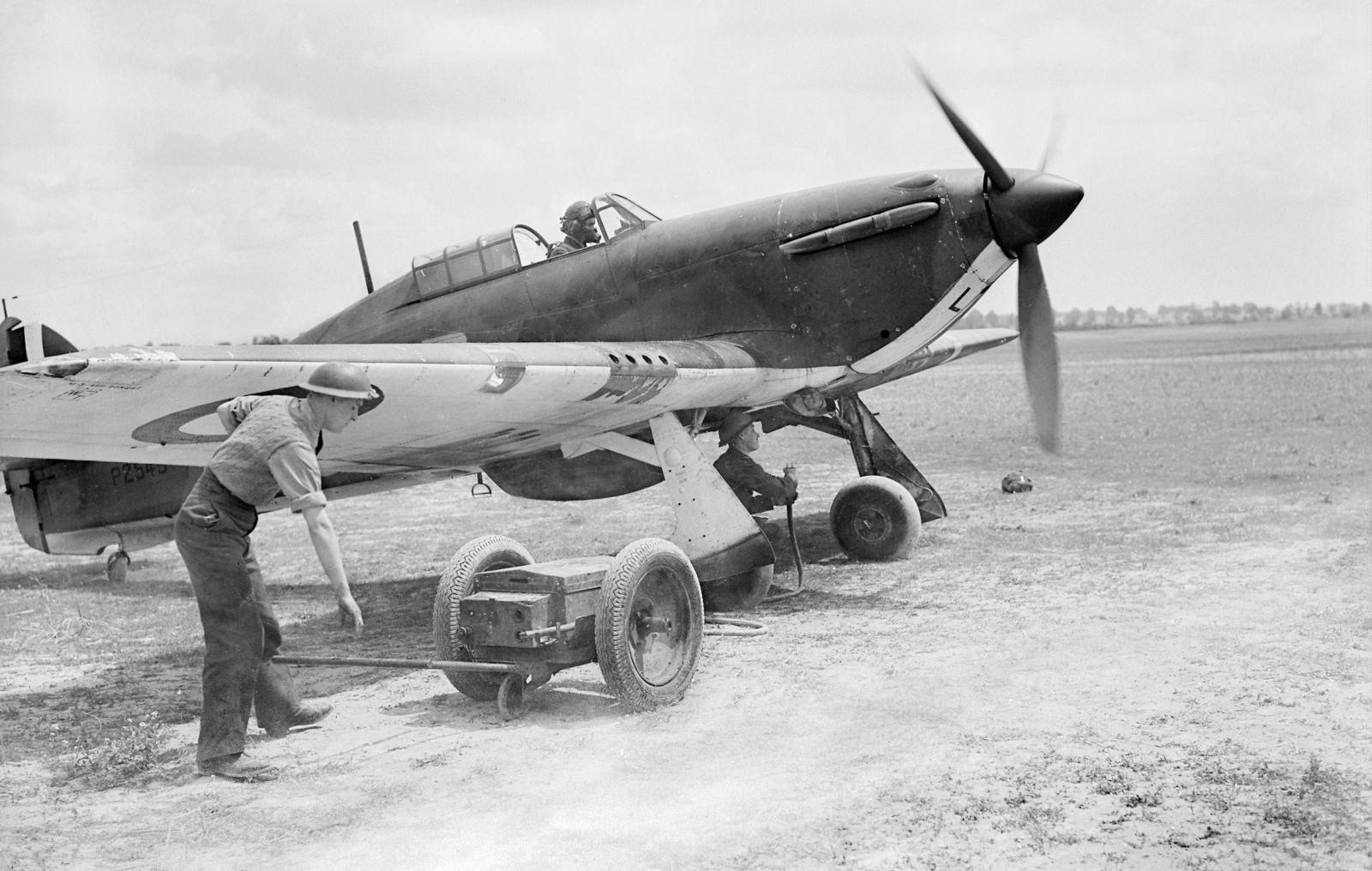
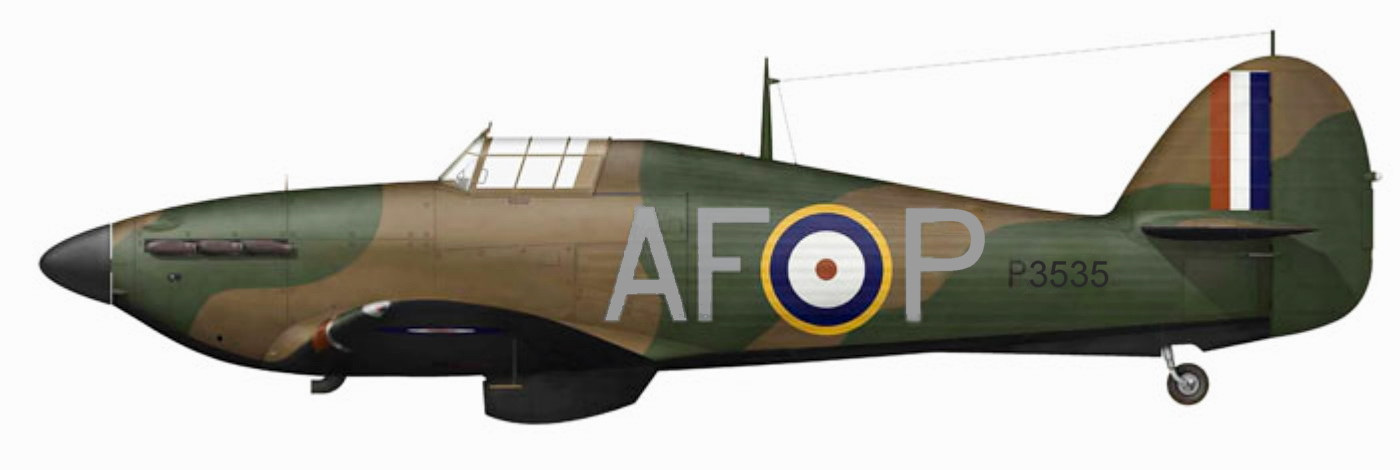
On 16th May, 607 Squadron’s CO, Squadron Leader Lance Smith, was shot down over Dinant and killed. He was replaced as CO by Morley Fidler, newly promoted to Acting Squadron Leader. Three days later, Hurricanes from 17 and 607 Squadrons, including Fidler in Hurricane Mk I P3535 ‘AF-P’, were on patrol near Cambrai. At 1600 hours they encountered a Dornier Do 17 bomber with an escort of Bf 109 fighters. In the ensuing air battle, Filder was shot down and killed. Twelve other RAF Hurricanes were also downed that day.
After Fidler’s death, a Hurricane was found which was assumed to be his. The pilot’s body was given a hurried grave by soldiers and later re-interred by the French in a cemetery with a proper ceremony in the village of Bachy, 20 miles away. After the war the Commonwealth War Graves Commission marked the grave with a CWGC headstone bearing Fidler’s name and a tribute from his mother. In 2006 a group of Franco-Belgian amateur historians with metal detectors excavated the crash site of what was thought to be Fidler’s Hurricane and discovered it was not his aircraft at all, but instead was Hurricane P2687 in which Flying Officer James (Jerry) Strickland of 213 Squadron was shot down on the same day. Strickland had bailed out; he was injured but survived. The grave at Bachy was given a new inscription of “unknown airman”. No one knows the identity of the man in the grave, although it is possibly one of two flight sergeants shot down that day.
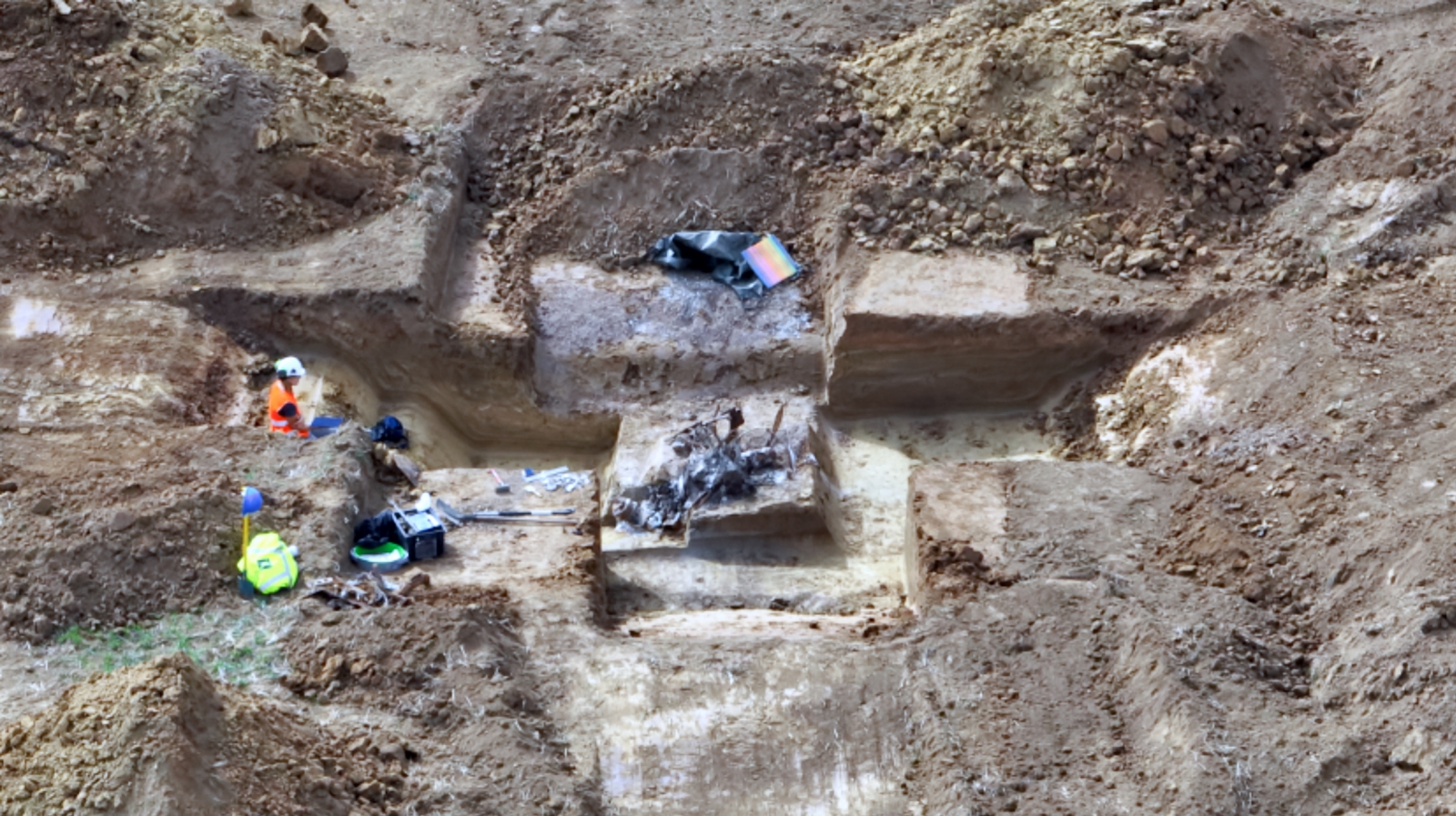
Nearly 20 years later, excavations by French engineers building a new canal at Oisy-le-Verger, in the Pas de Calais, found Hurricane P3535 with the pilot sitting upright in the cockpit. Testing for Fidler’s DNA proved impossible because the airman from Great Ayton in North Yorkshire did not have children, and nor did his siblings. He was identified by a process of elimination after testing samples from the three other pilots lost that day and subsequently found. None matched the newly discovered body. Nicola Nash, who led the Ministry of Defence ‘war detectives’ team, officially known as the Joint Casualty and Compassionate Centre Commemorations Team, said: “We are 100 per cent certain it is Morley Fidler”.
On 19th May, 86 years to the day after his Hurricane crashed, Fidler will finally be laid to rest with due ceremony at the London Cemetery and Extension near Longueval in northern France.
LEST WE FORGET