
Avro Lancaster prototype first flight 85th anniversary
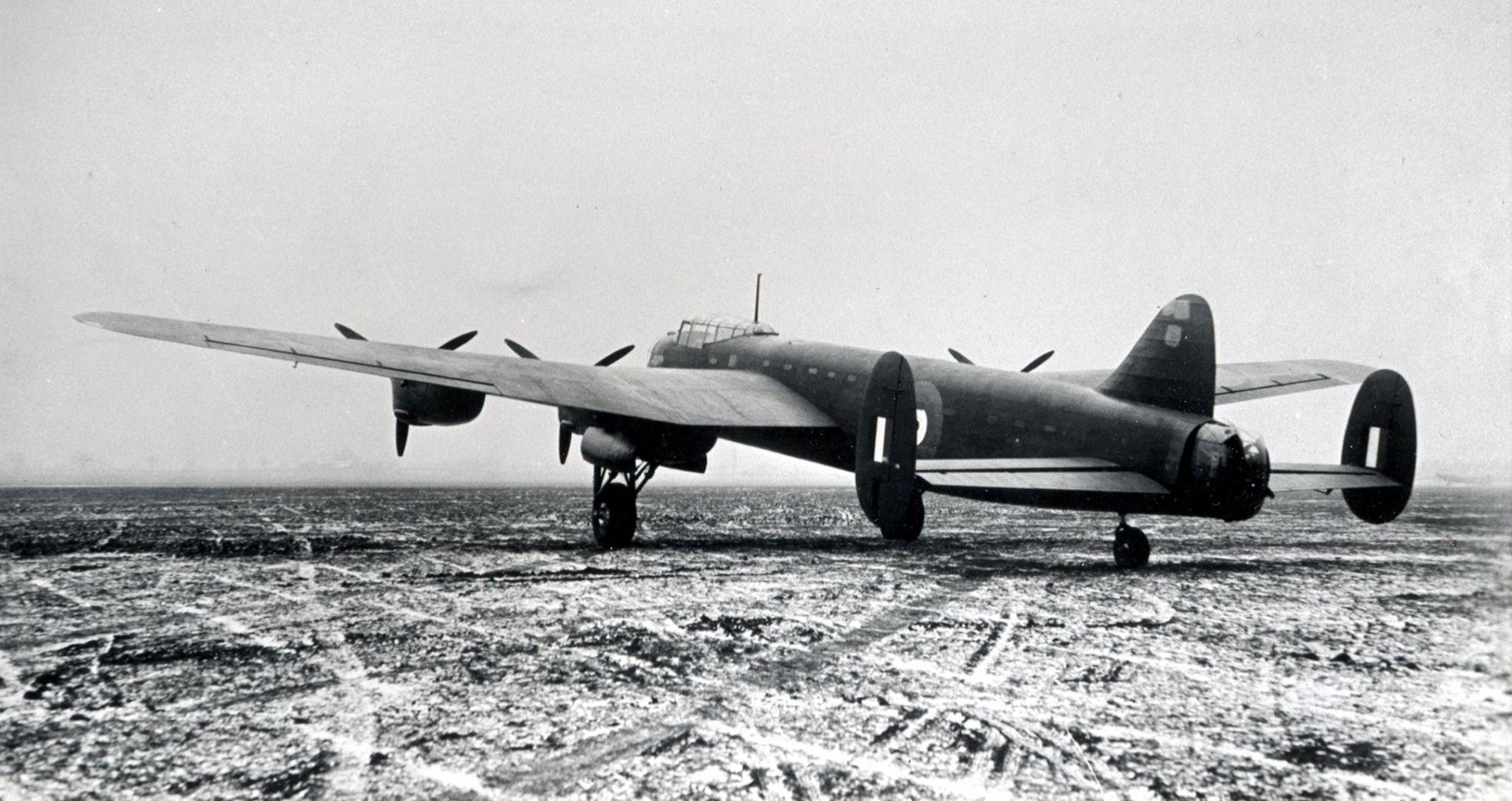
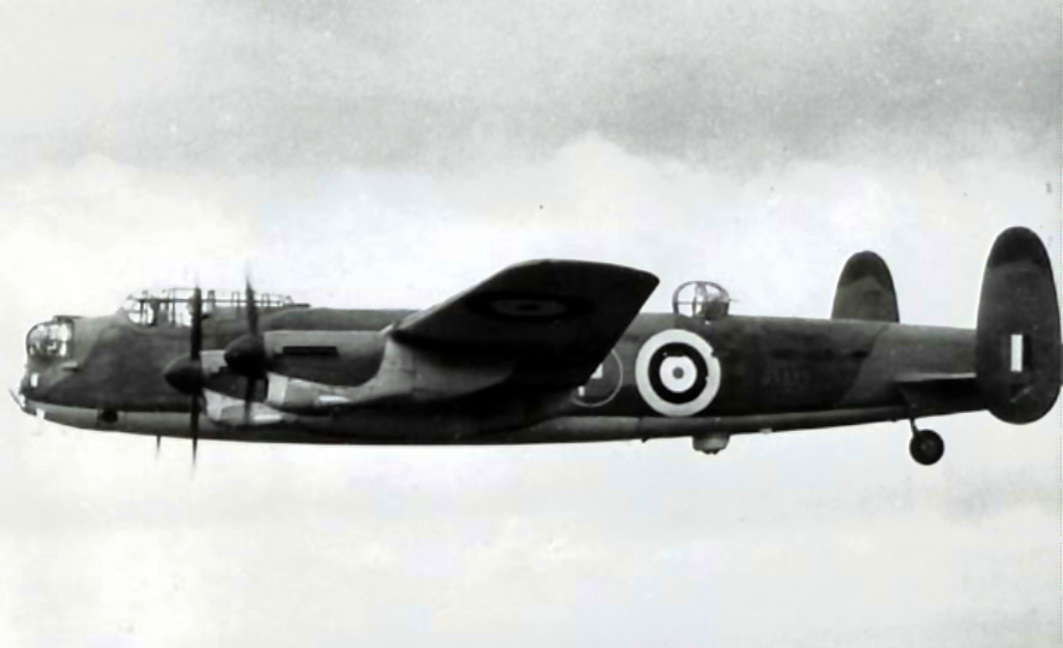
Header Image: Avro Lancaster first prototype BT308 at RAF Ringway, January 1941.
This January we celebrate a special 85th anniversary close to the BBMF’s heart. On 9th January 1941, 85 years ago this month, the first prototype Lancaster, or Avro 683 as it was known at that stage, took to the air for it first flight from RAF Ringway, (now Manchester Airport) in Cheshire, England, piloted by Avro test pilot Captain Harry Albert "Sam" Brown.
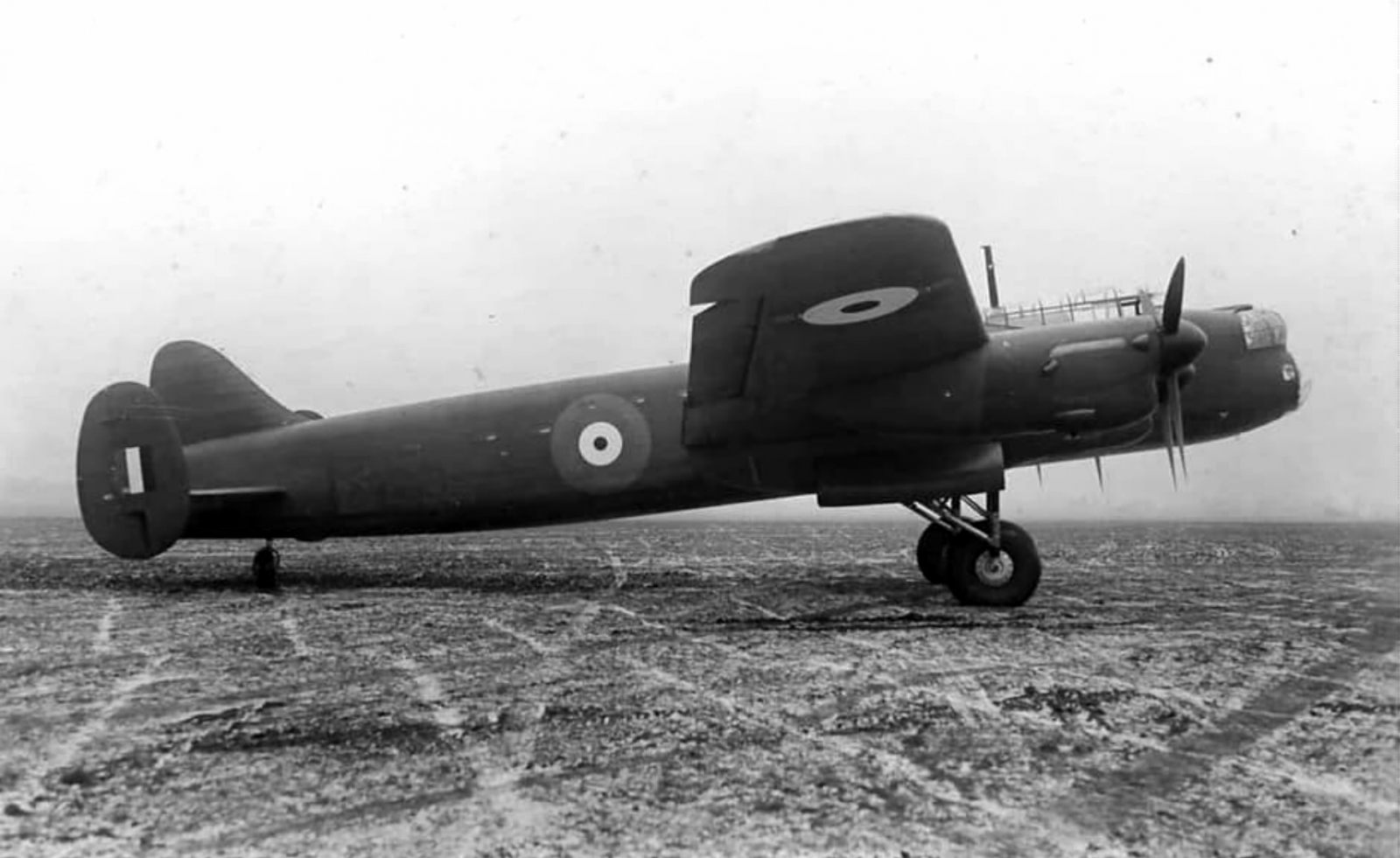
Designed by Roy Chadwick, the Chief Designer and Engineer of A. V. Roe and Company Limited, the first prototype Lancaster, BT308, was very much a hybrid, combining an Avro Manchester airframe with a new extended wing and four Rolls-Royce Merlin engines. The new aircraft was originally designated as the Manchester Mk III before being renamed Lancaster. The successful maiden flight confirmed that this was a successful design which offered great potential and marked the birth of the legendary bomber. The Lancaster was probably the best heavy bomber of the Second World War and became a cornerstone of RAF Bomber Command’s wartime operations.
The second prototype Lancaster, DG595, was much more representative of the production standard Lancaster; it took to the air for the first time on 13th May 1941. This second prototype had an increased span tail plane with larger twin tail fins, a new undercarriage, uprated Merlin XX engines and the fuel capacity was increased to 2,154 gallons. The true potential of the aircraft could now be explored and the test pilots at the Aeroplane and Armament Experimental Establishment at Boscombe Down were duly impressed, not least when they took it to 360mph in a dive, an astonishing speed for a heavy bomber.
The first production Lancaster B1 flew on the last day of October 1941, and the first deliveries to the RAF, to 44 Squadron at Waddington, commenced on Christmas Eve 1941. Eventually, 7,377 Lancasters were built. Of the 6,500 that flew on bombing operations, 3,249 were shot down and another 200 or so crashed.
Today, only 17 surviving and largely intact Lancasters are known to exist world-wide, of which only two are airworthy, the RAF BBMF’s PA474 and the Canadian Warbird Heritage Museum’s FM213 C-GVRA. One day we should be able to add the Lincolnshire Aviation Heritage Centre (East Kirkby) Lancaster NX611 “Just Jane” to the list of flying Lancasters.